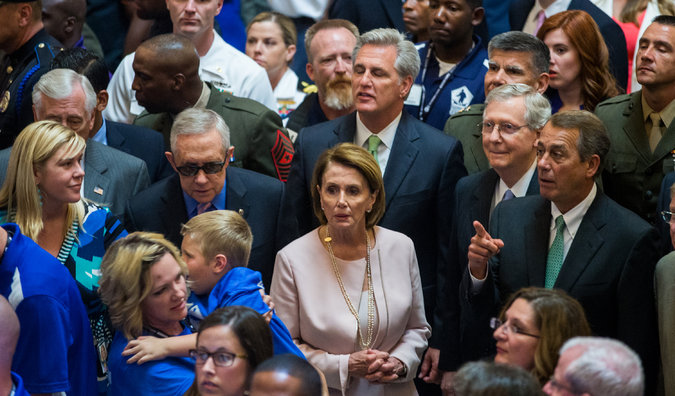
 The Framers saw that for the nation they were creating to survive at all, there would need to be, at minimum, sufficient commonality among its people for there to be the possibility of consensus. They knew that factional struggles would ensue from time to time, but rather than letting one side, then another, seize the helm, and so drag the nation wildly from course to course, they designed the system so that its default state, when consensus became impossible, was to halt: to maintain the status quo ante until a minimum of comity and agreement could be restored.
This, however, depends in turn upon some vital preconditions, the most important of which is that the nation itself must be, generally speaking, one nation — that is to say, that there must be enough commonality in its people, their culture, their sense of moral virtue, their guiding principles, and their notion of the role and purpose of government itself for the Constitutional system to work at all. This was always kind of a crap-shoot, and the Founders knew it; before even a century had passed, the nation was riven by great factional convulsions, and nearly came apart. But even the America of the first Civil War was far smaller, and far more homogeneous — ethnically, culturally, linguistically, religiously, morally, and philosophically — than the sprawling, multicultural America of the early 21st century.
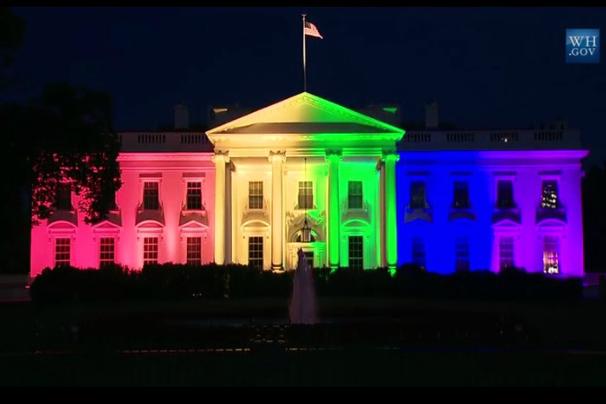
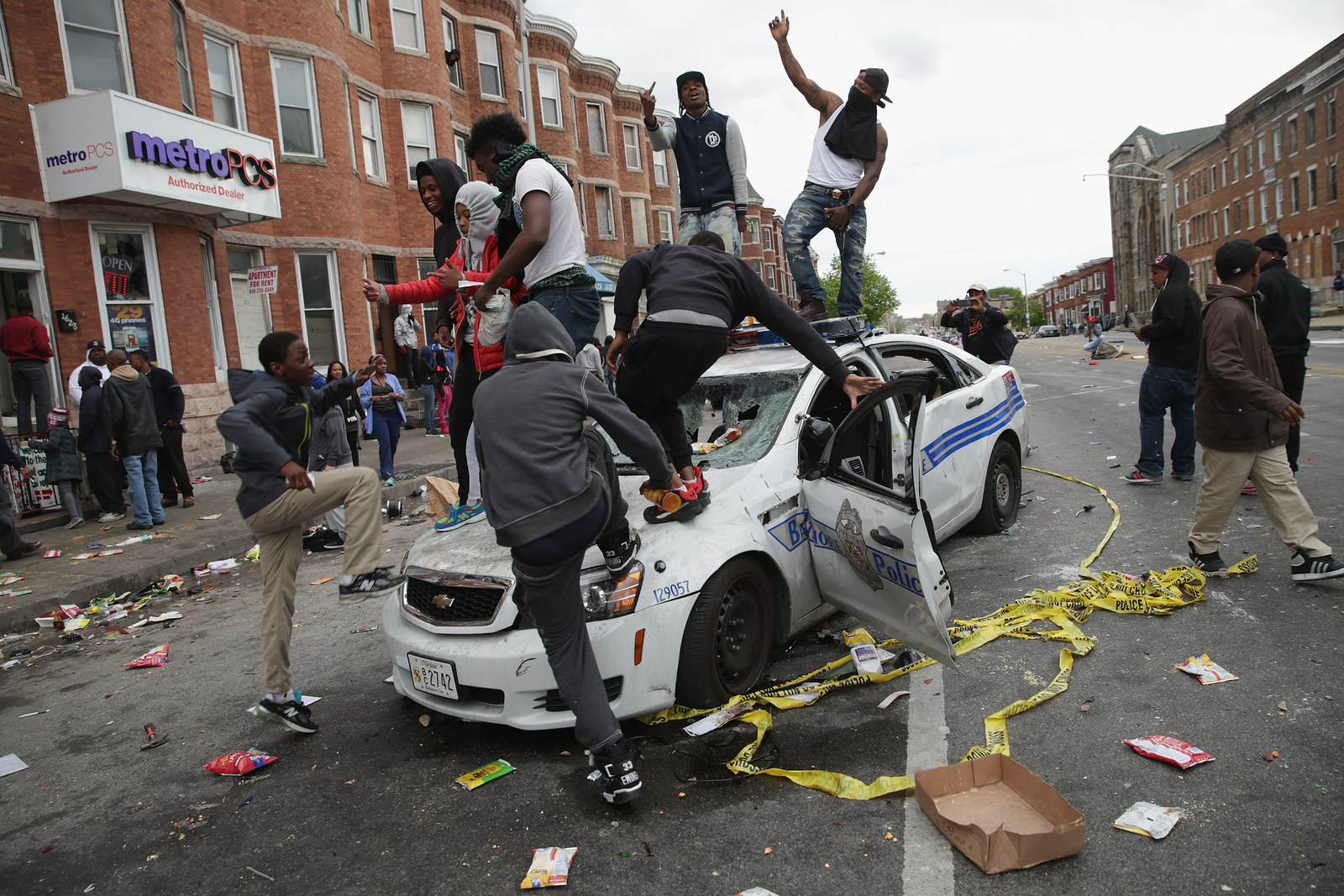
The n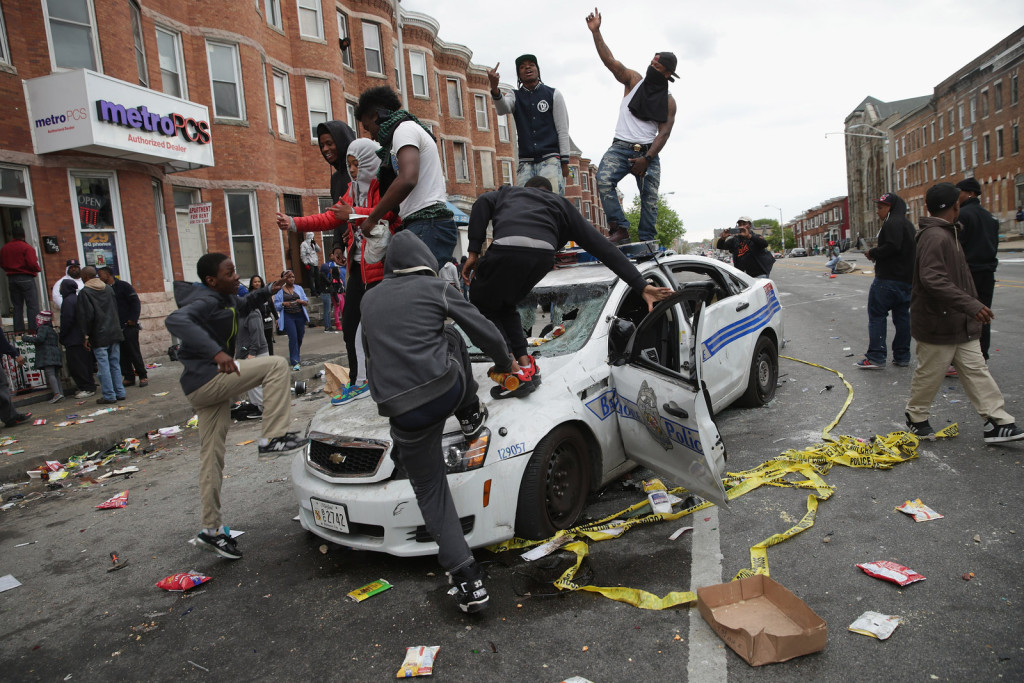 ation has simply gotten too big, too heterogeneous, too fractured and fissile in every way, for this increasingly centralized Federal government — indeed, perhaps, for any centralized government — to manage. It is no longer a matter of which side wins this or that election; we must understand that the problem is at a deeper level.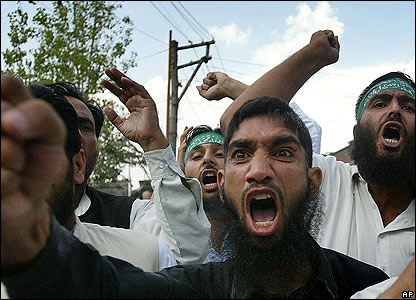
What will happen, I think, is that after a period of further strain and deterioration — lasting, perhaps, another decade or two, but possibly much less than that — the nation will begin to disaggregate, to break apart. If, starting now, we were all to begin to think hard about how to ease this passage, and what sort of arrangement we might like to see on the other side of it, we might spare ourselves, and our children, a great deal of suffering. Here….